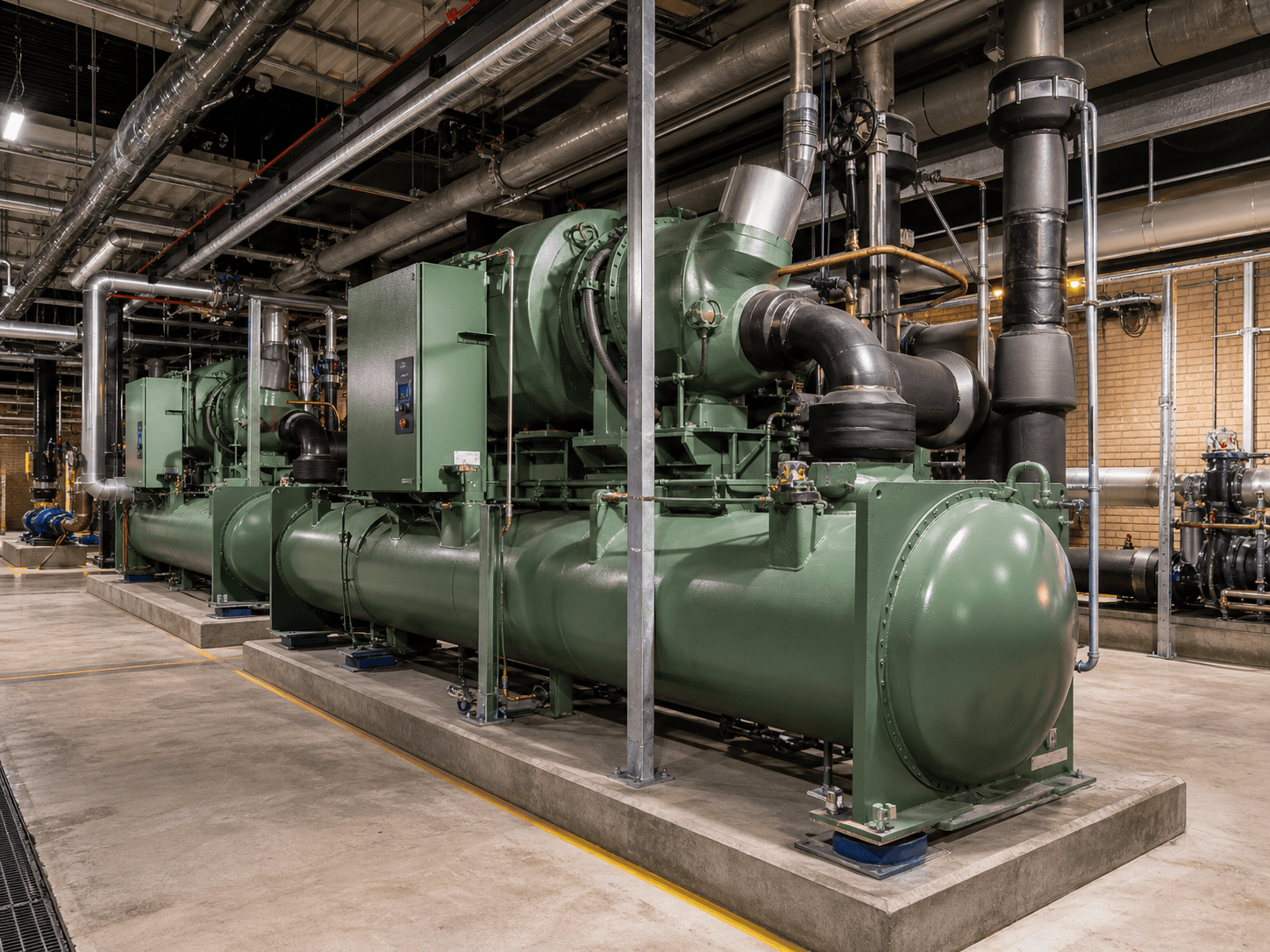
Chillers
Project 01
VRV outdoor unit inspection
Checked outdoor unit condition, refrigerant-side symptoms and access risks before quoting corrective work.
This gallery is ready for client-provided before/after photos. Each item records the unit type, challenge, solution and outcome so images support trust and SEO.
Project 01
Checked outdoor unit condition, refrigerant-side symptoms and access risks before quoting corrective work.
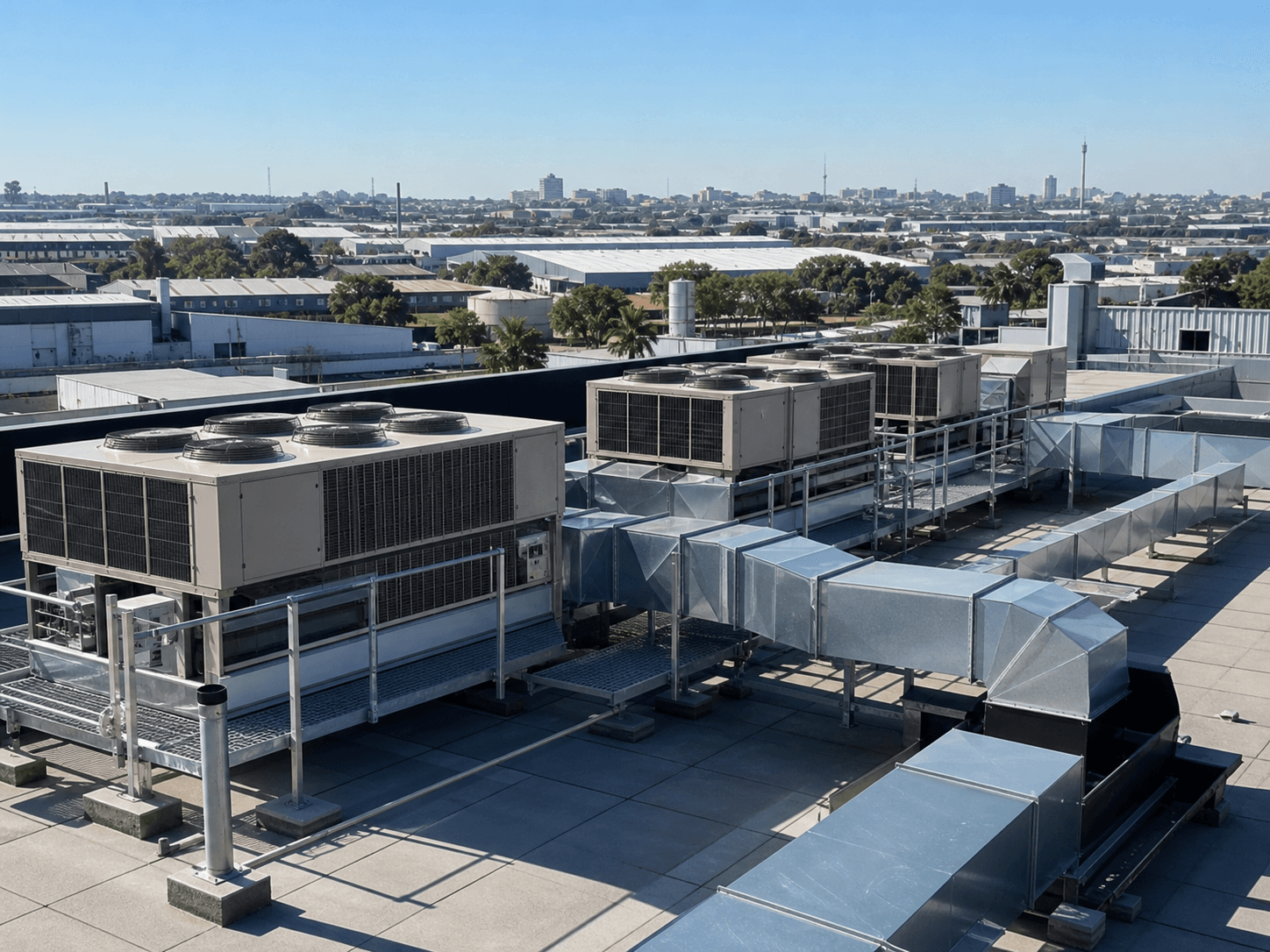
Project 02
Verified drainage, cooling performance and client handover notes after a single-zone installation.
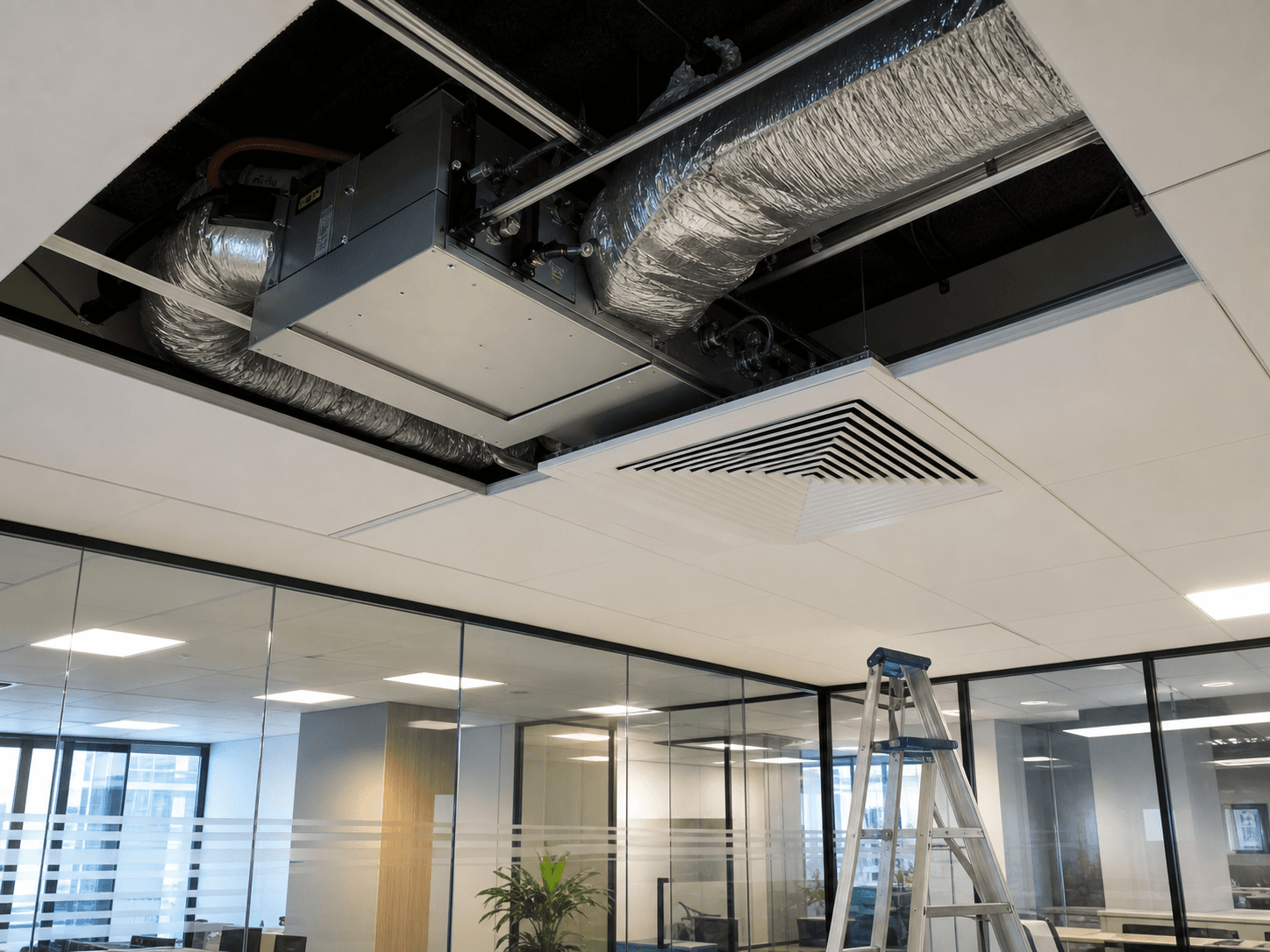
Project 03
Replaced service items, inspected coils and recorded airflow risks for the facilities team.

Project 04
Planned safe access, inspected weather-exposed equipment and prioritised uptime-critical repairs.
Project 05
Reviewed electrical and refrigerant conditions before recommending repair or replacement.
Project 06
Assessed pumps, flow, controls and plant-room risks for a planned maintenance schedule.
Project 07
Checked schedules, sensors and alarm behaviour so controls matched building operating hours.
Project 08
Inspected filters, coils, valves and condensate points across multiple occupied zones.
Project 09
Cleaned coils and checked belts, electricals and airflow delivery for a large open-plan space.
Project 10
Tested water-side performance, controls and safety items before seasonal demand increased.
Project 11
Reviewed ceiling access, duct condition, drainage and diffuser performance in an office fit-out.
Project 12
Diagnosed low-wall unit symptoms and confirmed repair options for a room with limited wall space.
Project 13
Mapped hot zones, unit condition and airflow restrictions across a high-volume warehouse.
Project 14
Reviewed zoning complaints, unit placement and maintenance gaps before recommending phased work.
Project 15
Documented plant symptoms and maintenance risks for business-critical refrigeration equipment.
Project 16
Confirmed operating readings, controls, drainage and handover items before site sign-off.
Project 17
Converted inspection findings into a clear action list for budget and uptime planning.
Project 18
Checked panels, trips and control signals linked to recurring cooling faults.
Project 19
Identified drainage restrictions and corrected water leak risks before ceiling damage spread.
Project 20
Summarised completed work, remaining risks and the next service interval for the client team.

Send the equipment type, location and symptoms. HVAC Technologies will follow up within the stated 2-hour response window.